
Telecom · 4 min read · Daria Boiko
What “SOS and SMS Only” Actually Means for Enterprise Buyers
An honest view of where direct-to-device stands today: what works, what is real but not yet commercial, and what is still years away.
This is the question I get asked most. If you are evaluating D2D for your business right now, here is the honest version of where it stands.
What works today: two-way SMS, SOS/emergency alerts, on standard devices, no new hardware. Live in ~20 Western/Asian markets. That’s it. Proven, tested, close to commercial.
What’s real but not commercial on a standard consumer device yet: location sharing, basic IoT/application data transmission. Dedicated satellite IoT hardware has been doing exactly this for decades—think Orbcomm or Iridium’s SBD—just never without a purpose-built terminal. Doing it without new hardware is the part still not commercial: NTN connectivity on today’s chipsets reportedly runs 2 to 6 times more expensive per device than terrestrial and needs antennas and modems standard IoT devices don’t carry. In active development, not in your budget this year.
What’s still years out: broadband data, video, automotive connectivity at scale. Next-gen satellite systems still top out around 4G LTE speeds, nowhere near what broadband applications actually need. Don’t build a business case around it just yet.
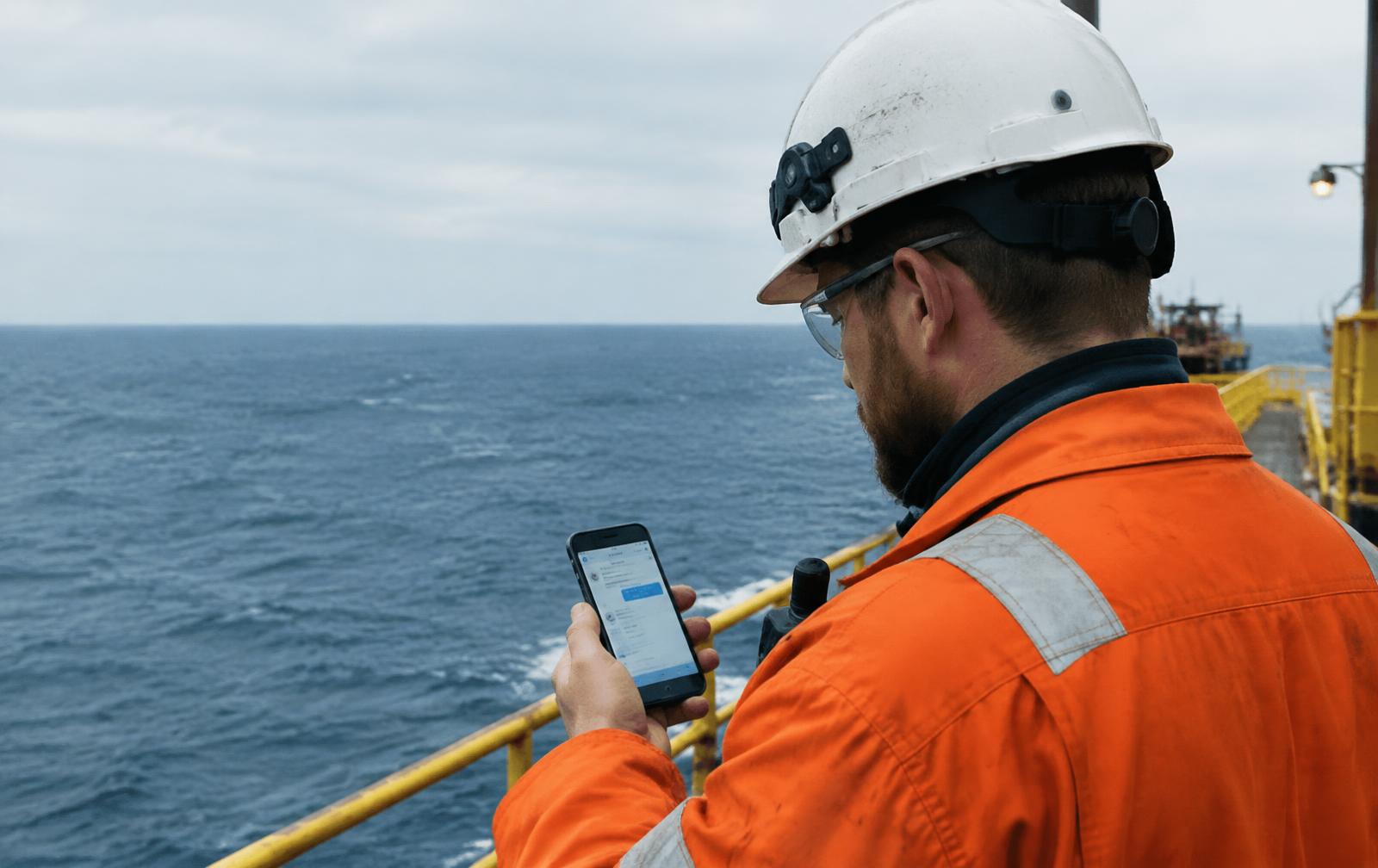
So what should you actually plan for now? If your operation has people or assets in dead zones—desert routes, offshore rigs, remote sites—SOS and check-in messaging is deployable this year through standard devices. Budget for it as a safety and continuity layer, not a connectivity upgrade.
If you’re waiting for D2D to replace your fleet’s data connectivity or power remote IoT telemetry at scale, that’s a 2028+ conversation. Don’t overpay for a roadmap slide today.
The gap between “tested” and “commercially available at scale” is where most vendors blur the line.
Which bucket does your use case actually fall into?