Commercial Strategy · 4 min read · Daria Boiko
Everyone Is Counting Satellites. Nobody Is Asking Who Owns the Spectrum.
Satellite count is a vanity metric. What matters is control over dedicated spectrum—and whether that means a walled garden or a shared tower.
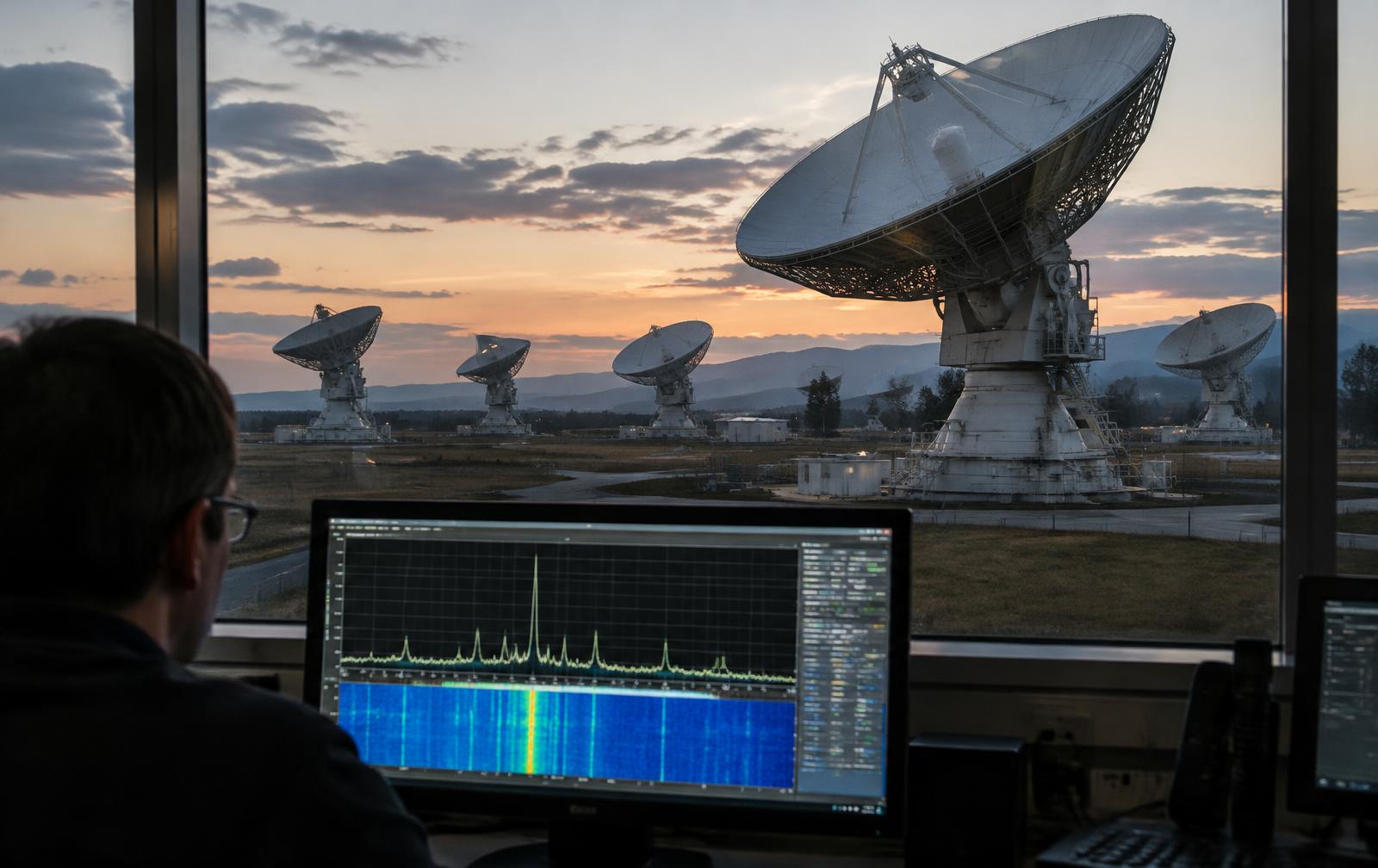
Satellite count is a vanity metric. What matters is control over dedicated spectrum.
Spectrum decides who wins. But who owns it is just getting more interesting. Satellite count does not decide this. Who controls dedicated spectrum does. This part of the thesis hasn’t changed.
What has changed, though, is the assumption that this has to mean sole ownership.
Space42 and Viasat’s new venture, Equatys, is one example of that shift: pooling 100+ MHz of harmonised MSS spectrum, already allocated across 160+ markets, into a shared neutral infrastructure layer open to other operators who want in.
Two models, same underlying resource.
Exclusive spectrum. Buy it, control it alone, build a closed platform around it. High conviction, high capital, harder for others to plug into your network.
Shared spectrum. Pool it across operators, build neutral infrastructure, let MNOs and chipmakers connect without picking a single winner’s ecosystem. Lower barrier to entry, but you are betting on the network effect of participation over exclusivity.
Neither model is obviously right yet. But having watched this industry from inside a company that is now betting on the shared model, I would flag this: dedicated spectrum remains the scarce resource either way.
The strategic question is not whether to own or to lease anymore. It is whether you are building a walled garden or a shared tower, and which one MNOs actually want to plug into.
My prediction: the market ends up needing both. Exclusive players will win where speed and control matter most. Shared infrastructure wins on reach: more operators, more markets, faster global coverage, without every country having to negotiate with a single foreign platform.
Which one are you betting on: walled garden or shared tower?